The Waiting-Room Intake Problem
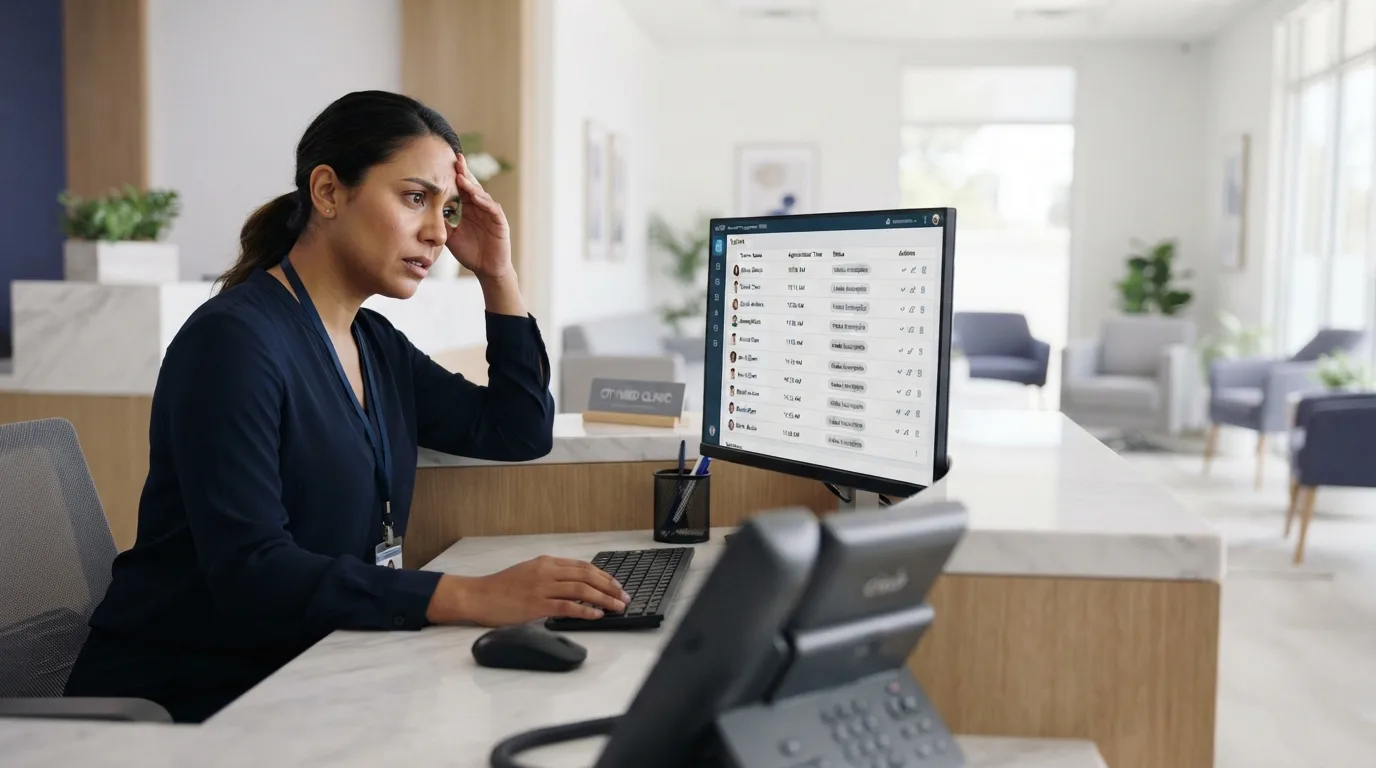
Most clinics still collect the majority of patient history in the minutes before a visit — on paper, on a tablet in the lobby, or through a hurried conversation at the front desk. That timing is convenient for legacy workflows. It is poorly timed for clinical quality. By the time a patient sits down with a clinician, the chart is often incomplete, the medication list is outdated, and the reason for visit has been reduced to a short free-text note that staff typed under time pressure.
Patients feel the friction immediately. They arrive early to fill forms they have already completed at another visit. They answer the same allergy and medication questions again. They rush answers because the waiting room is loud, their appointment is about to start, or a child is restless beside them. Incomplete answers are not a patient failure — they are a process design failure.
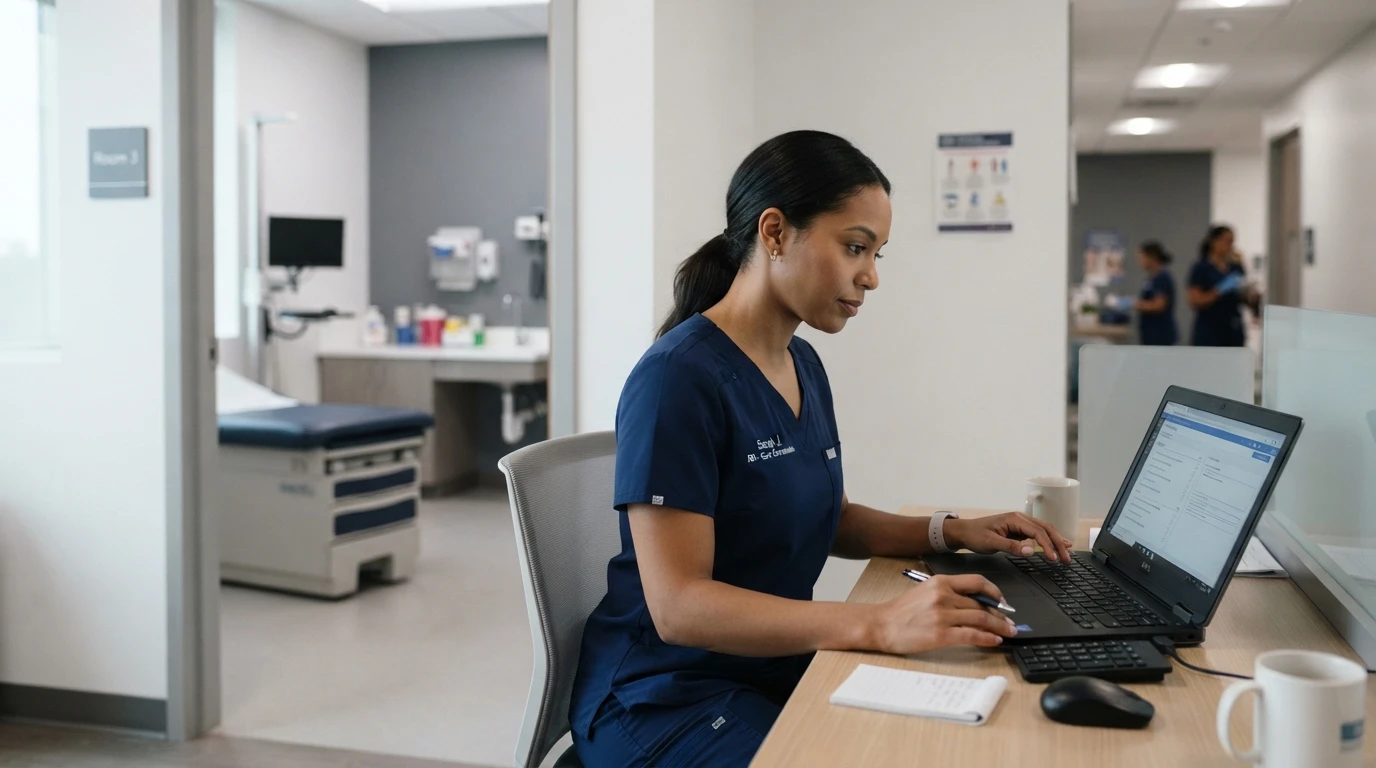
Clinicians absorb the cost next. Every missing field becomes a minute stolen from the encounter. Every contradiction between yesterday's EHR note and today's form becomes a clarification loop. Over a full clinic day, those minutes compound into delayed rooms, shorter counseling time, and staff overtime at closing.
What Pre-Visit Voice AI Intake Changes
Pre-visit voice AI intake moves structured collection into the window where patients actually have time — typically 24 to 72 hours before the appointment. The patient receives a phone call or secure Aeris web-call link, completes a conversational voice interview at their own pace, and the clinic receives a structured record before they walk in.
The interview is not a generic web form with fifty fields. It follows clinic-defined logic: reason for visit, current symptoms, medications, allergies, relevant history, and specialty-specific prompts. Adaptive follow-ups capture detail when a patient mentions a new medication or a worsening symptom, and skip irrelevant branches when they do not.
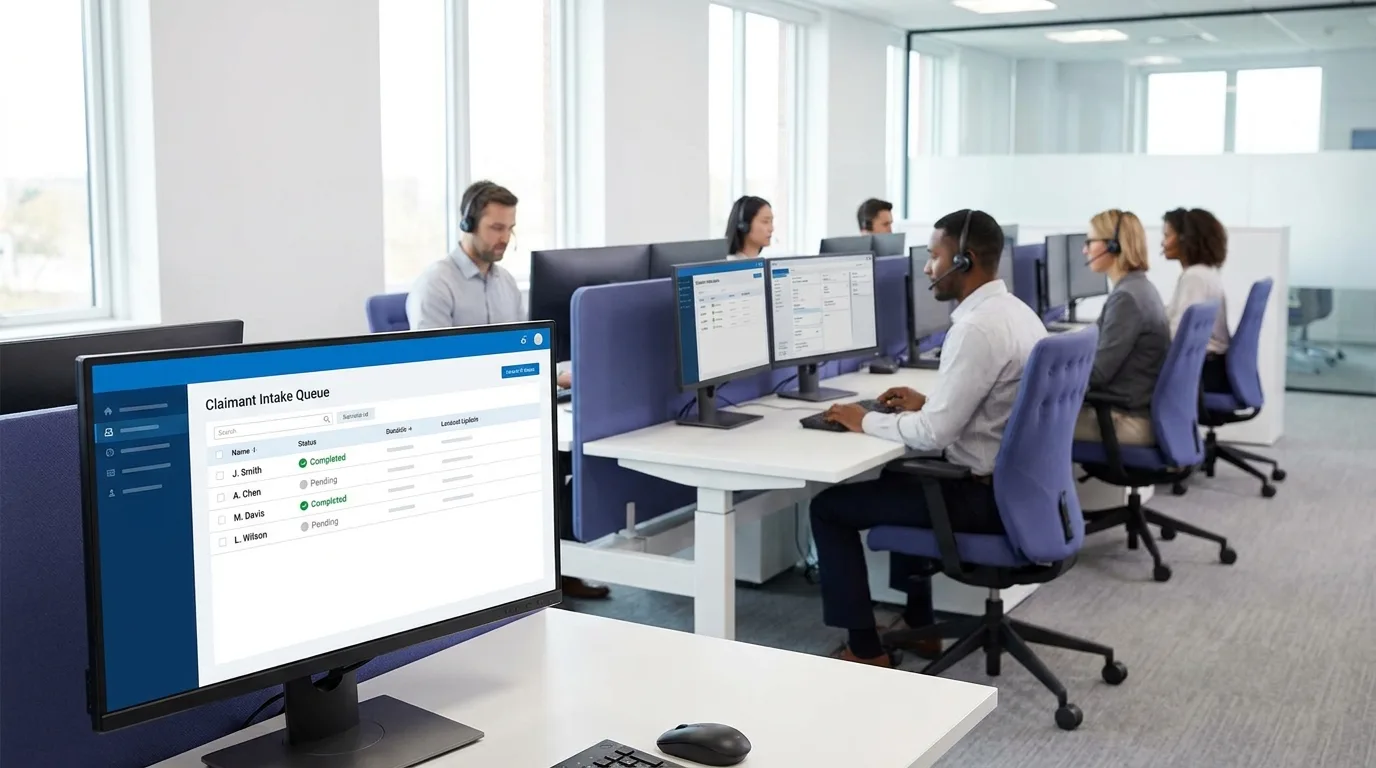
Because the output is structured, front-desk teams stop re-keying free text into the EHR under lobby pressure. Clinical staff open the encounter with a usable history instead of reconstructing one mid-visit. The appointment starts as clinical work, not as administrative catch-up.

What Clinics Gain Before the Door Opens
Moving intake earlier does not add another form for patients to ignore. It replaces rushed lobby collection with a completed, structured record the care team can trust.
Earlier
History collected 24–72 hours pre-visit
Complete
Fewer missing meds, allergies, and HPI fields
Structured
EHR-ready output, not lobby free text
Calmer
Less front-desk rework on arrival
Designing Intake Patients Will Actually Finish
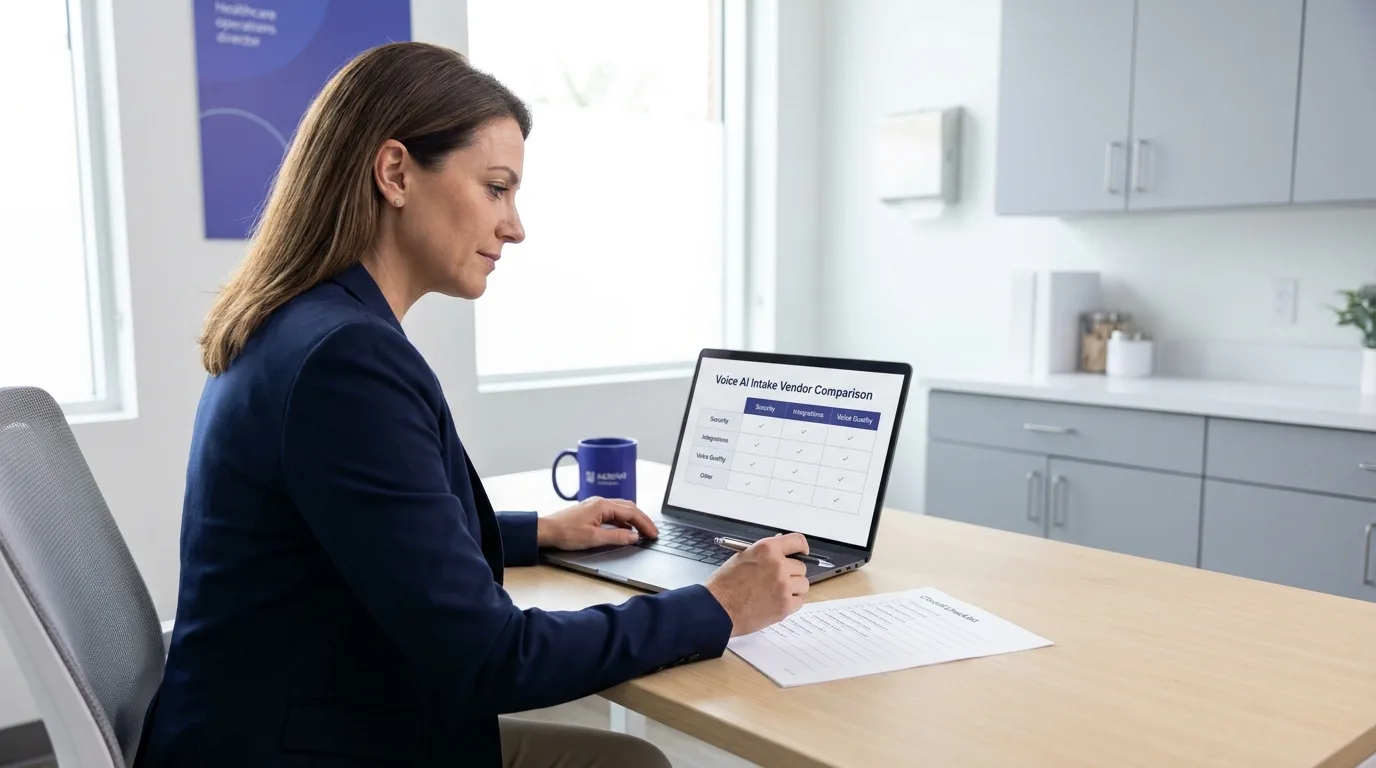
Completion rate is the operational metric that decides whether pre-visit intake works. Long portals with account creation steps fail quietly — patients abandon them, and staff discover the gap only when the patient arrives. Voice channels reduce that abandonment: a phone interview or a short SMS-linked web voice session meets patients where they already communicate.
Clinics that succeed keep the interview clinically purposeful and time-bounded. They ask for what the specialty needs for that visit type, not every field the EHR can store. They offer a fallback channel for patients who miss the first outreach. And they make sure incomplete interviews still surface clearly on the schedule so staff can intervene before the appointment, not during it.
The cultural shift for clinic leadership is straightforward: stop treating intake as something that happens at check-in. Treat it as part of visit preparation — equal in importance to rooming and chart review. When intake is complete before arrival, every downstream minute of the clinic day gets easier.