Generic Forms Break Specialty Workflows
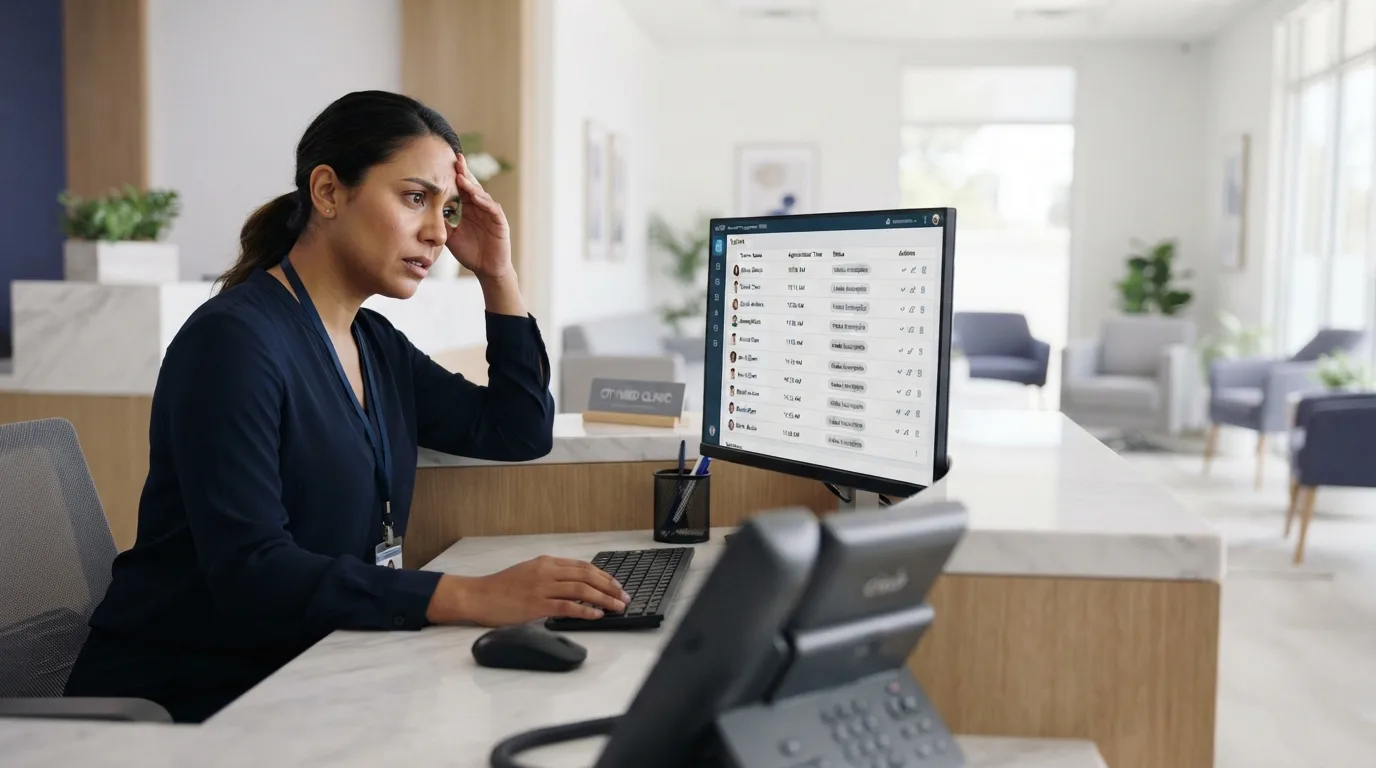
A primary-care new-patient packet is not the same as a cardiology follow-up, an ortho pre-procedure visit, or a behavioral health intake. Specialty clinics that force every appointment through one generic form either collect too little for the clinician or too much for the patient. Both outcomes create work for front-desk staff: clarifying missing specialty fields, or fielding complaints about irrelevant questions.
Multi-site groups feel this more acutely. Each location invents local workarounds. One site adds a paper addendum. Another keeps a shared drive checklist. A third relies on a seasoned medical assistant who remembers what Dr. Patel always wants. The process becomes tribal knowledge — fragile, untrainable, and impossible to audit.
Hiring another front-desk FTE can temporarily absorb volume, but it does not fix inconsistency. It adds cost to a broken pattern. Specialty clinics need intake that changes with appointment type and still produces a consistent structured record.
Adaptive Voice AI Intake as an Operations Layer
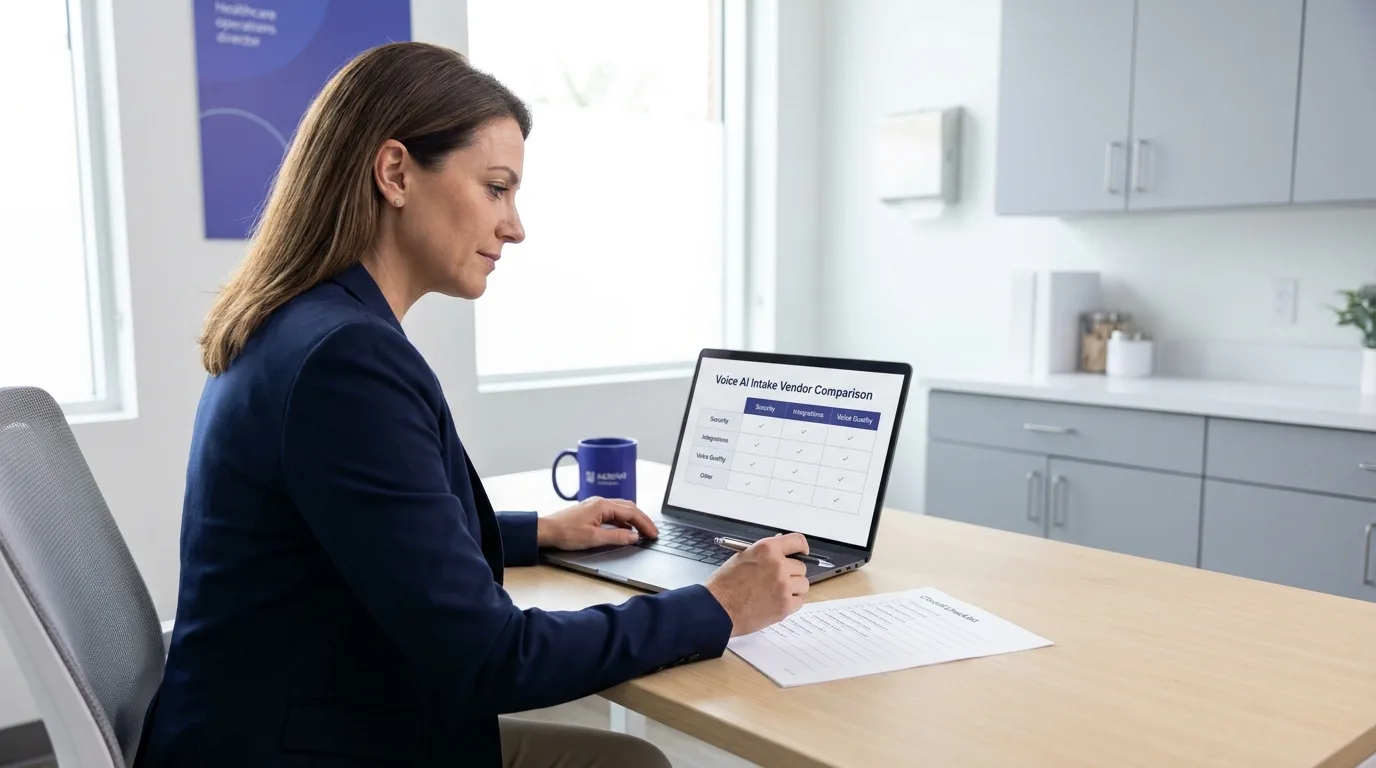
Adaptive voice AI intake treats the interview as configurable clinical logic, not as a static PDF. New patient, return visit, procedure prep, and post-op follow-up can each trigger a different voice interview. Specialty modules add the fields that matter for that service line without forcing every patient through every module.
Consistency improves because the same appointment type asks the same clinically relevant questions at every site. Training burden drops because staff are no longer memorizing packet variants. Exceptions become visible: if a patient cannot complete a required branch, the schedule shows it before rooming, not after the clinician walks in.
The staffing impact is the point of leverage. Front-desk teams spend less time chasing forms and more time on care coordination, authorizations, and patient navigation — work that actually requires judgment. Clinics grow visit volume without growing administrative headcount in lockstep.

What Specialty Groups Standardize First
Start with the appointment types that create the most rework. Make those interviews adaptive and consistent across sites before expanding to the full catalog.
By visit
Question sets match appointment type
By site
Same standard across locations
By specialty
Clinically relevant fields only
By exception
Incomplete interviews flagged early
A Practical Rollout Sequence
Do not automate every packet on day one. Pick one high-volume specialty visit type with a known incomplete-chart problem. Define the minimum clinical fields the physicians actually use. Configure the voice interview, connect outreach to the schedule, and measure completion rate and staff minutes saved for four weeks.
Then expand horizontally — same specialty, additional visit types — before expanding to new specialties. This keeps clinical ownership clear and prevents a sprawling form library that nobody maintains. Governance matters: someone owns question-set changes the way someone owns order-set changes.
Specialty clinic growth does not have to mean a larger lobby team. When intake is adaptive, consistent, and finished before arrival, front-desk capacity becomes a strategic asset instead of a permanent bottleneck.